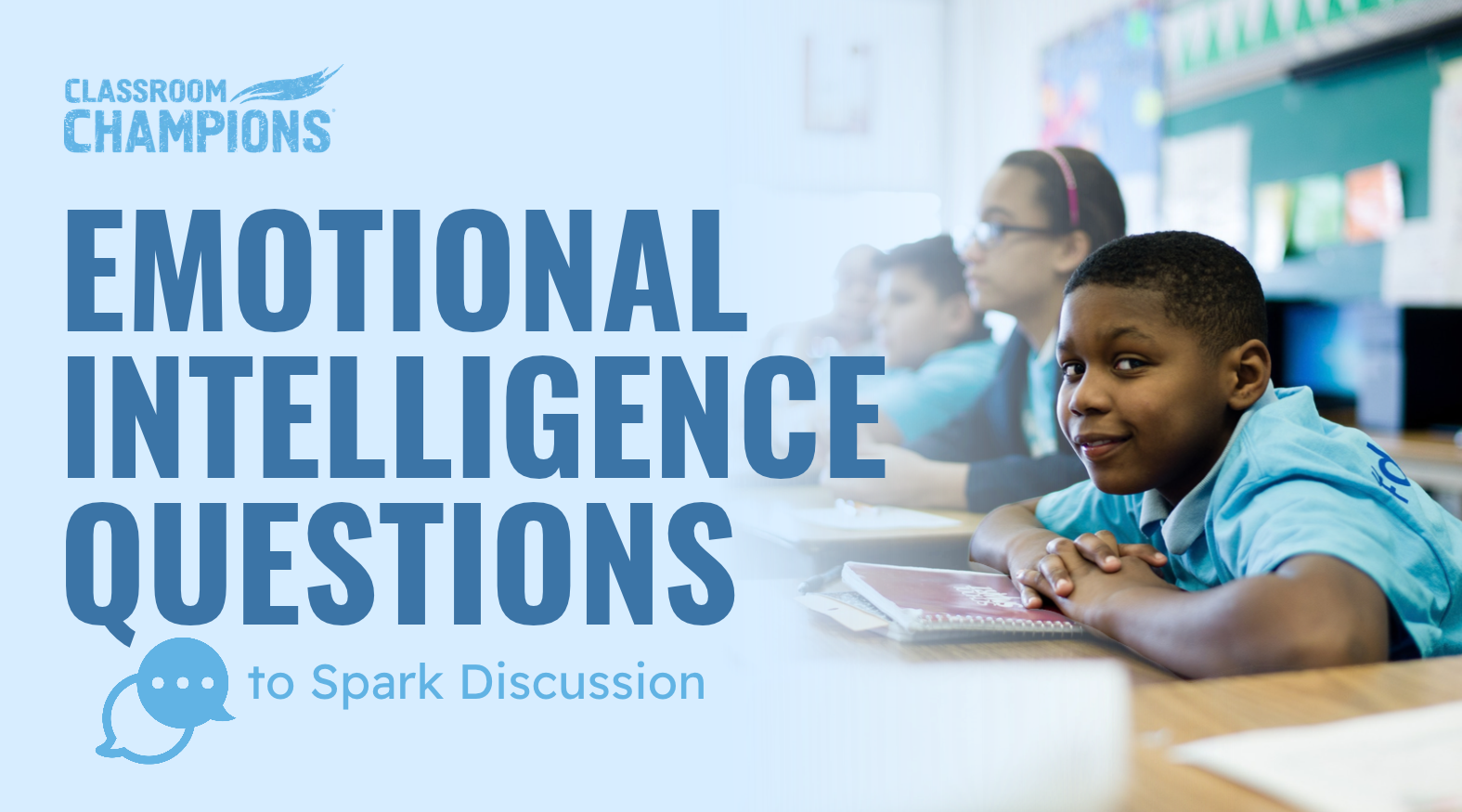
Emotions show up in every classroom, every single day: the excitement before recess, the frustration of a tricky math problem, the sting of being left out. Helping students name and navigate those feelings is one of the most powerful things an educator can do. But where do you start?With the right questions. This guide gives you a full set of emotional intelligence discussion questions organized by cognitive skill level, from basic recall all the way to creative expression. Use them for a morning meeting, a journal prompt, or a quick check-in before a lesson.By working through these together, your students will learn to recognize their own feelings, understand what others are feeling, and respond with empathy and care. That's the heart of being resilient and connected, two pillars of a Champion Mindset.

Remembering: Getting the Basics Down
Start with the vocabulary. Before students can talk about their feelings, they need to know what an emotion actually is.- What is an emotion?
- Can you name three different emotions?
- What are some emotions you've felt before?
Understanding: Feeling Our Feelings
Now go a little deeper. These questions help students make sense of their own emotions and start tuning in to the feelings of the people around them. This is where empathy begins.- How do you feel when you are happy? What about when you are sad?
- How can you tell what someone else is feeling?
- What does it mean to be empathetic toward someone else's feelings?
Applying: Navigating Big Feelings
Emotions aren't just something we learn about. They're something we deal with every day. Use these questions to help students practice what to do with big feelings, from calming down to comforting a friend.- What can you do when you feel angry or upset?
- How could you help someone who is sad or crying?
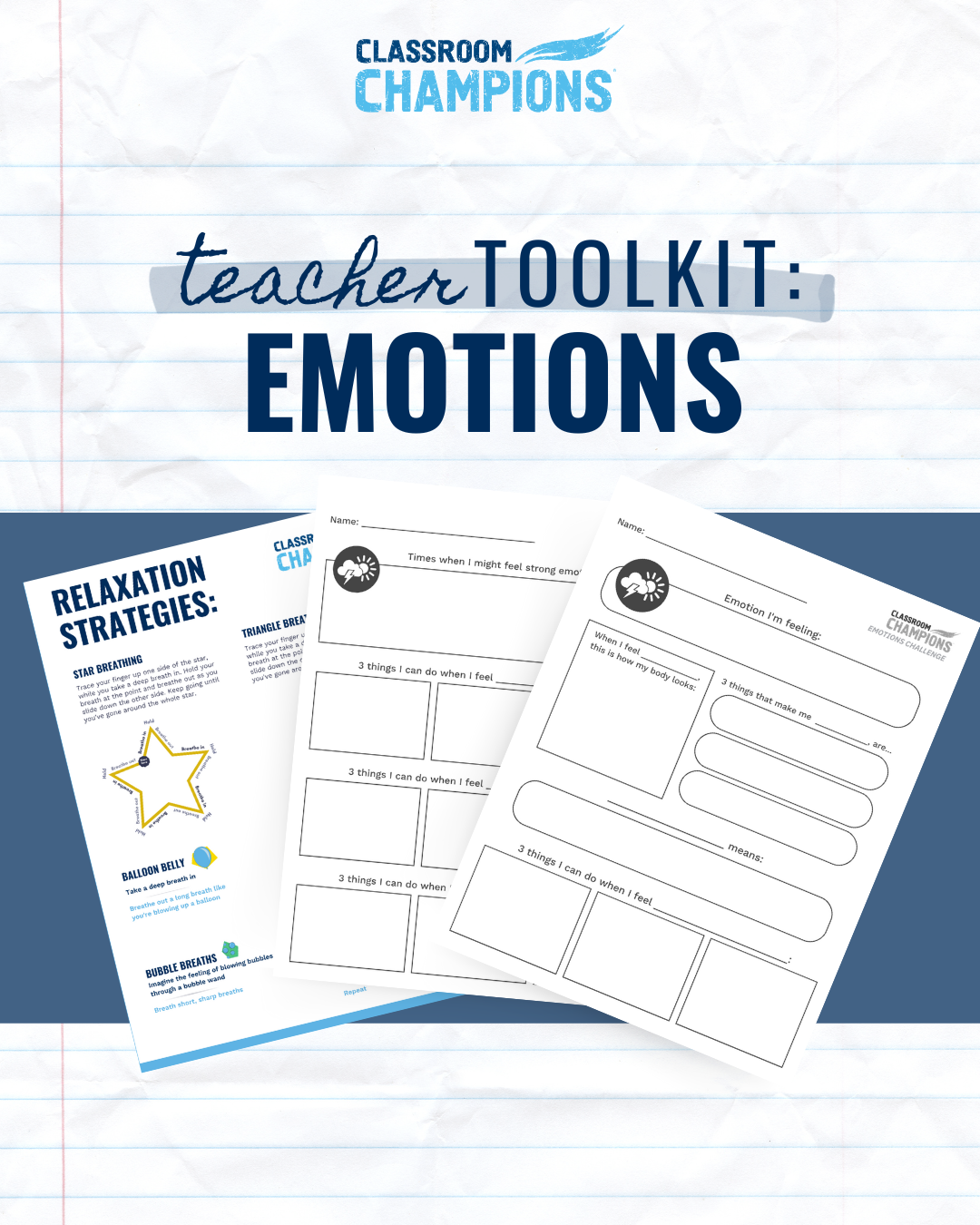
- Can you think of a time you used deep breathing or another calming strategy? How did it help?
Analyzing: Different People, Different Reactions
Every person is unique, and so is the way they show their feelings. Use these questions to explore why people might react differently to the same situation.- How might two people express the same emotion in different ways?
- Why might someone feel scared or nervous in a situation that doesn't bother you?
- How might someone feel if they were left out of a game? What might they do?
Evaluating: Why Feelings Matter
Reflecting on emotions is a big part of emotional growth. These questions ask students to think about why talking about feelings, understanding others, and expressing ourselves in healthy ways is worth the effort.- Is it important to talk about your emotions? Why or why not?
- Is it okay to feel angry? What's a healthy way to express it?
- Why might it help to think about how other people feel?
Creating: Express It
Now let them run with it. Stories, art, music, and role-play are fun, imaginative ways to bring emotional concepts to life.- Create a story about a time you felt proud.
- Draw a picture, or write a song or poem, that shows how you feel when you are excited or happy.
- Can you create a skit where characters work through a tough situation by naming and managing their emotions?